
The WPW10159842 valve solenoid is an essential component of many Whirlpool appliances, ensuring proper functionality and performance. This article delves into the importance of the valve solenoid, its role in appliance operation, symptoms of malfunction, and when to consider a replacement.
What is a Valve Solenoid?
A valve solenoid is an electromechanical device used in various types of appliances, particularly those involving water flow, such as dishwashers and washing machines. Its primary function is to control the opening and closing of a valve based on electrical signals. When power is supplied, the solenoid generates a magnetic field, which moves a plunger to either open or close the valve, regulating the flow of water. This mechanism is fundamental to ensuring appliances operate as intended, preventing overflows or inadequate water supply.
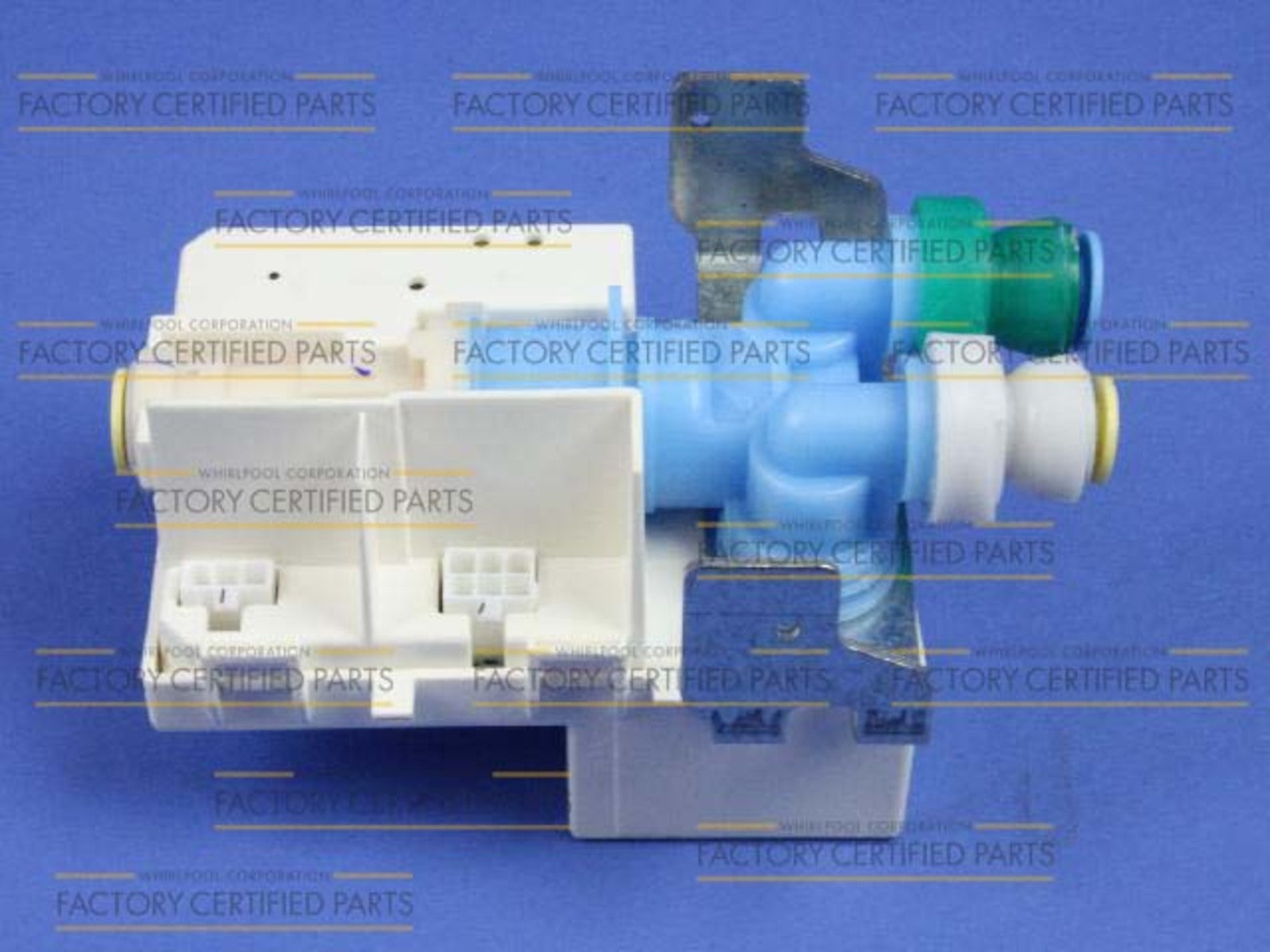
Functionality of the WPW10159842 Valve Solenoid
The WPW10159842 solenoid specifically is designed to work with Whirlpool appliances. It plays a crucial role in controlling the water inlet valves, thus managing the water flow necessary for the appliance’s various cycles. For example, in a washing machine, the solenoid determines when water should enter the drum for washing or rinsing, ensuring optimal wash performance.
Signs of a Failing Valve Solenoid
Recognizing the early symptoms of a failing valve solenoid can save you time and money. Here are some common signs that may indicate the WPW10159842 solenoid needs attention:
- Water Leakage: If you notice water pooling around the appliance, it may indicate that the solenoid is stuck open or malfunctioning.
- Delayed Water Inlet: A prolonged wait for water to fill the appliance can signal that the solenoid is not functioning correctly.
- Inconsistent Water Supply: If the water flow is unpredictable, with periods of no water followed by bursts of flow, this can denote a solenoid issue.
- Electrical Issues: If the appliance is having trouble powering up, or if you detect a burning smell, it could be an indication of an electrical fault within the solenoid.
Importance of the WPW10159842 Solenoid in Appliance Performance
The performance of your Whirlpool appliance heavily relies on the proper operation of the WPW10159842 valve solenoid. Since it regulates water flow, its reliability directly impacts the function of critical washing cycles, ensuring efficiency and effectiveness. A malfunctioning solenoid can lead to problems such as poor washing results, potential water damage from leaks, and overall reduced lifespan of the appliance.

When to Replace the WPW10159842 Solenoid
Understanding when to replace the valve solenoid is crucial for maintaining appliance performance. Typically, you should consider replacement if:
- The solenoid is visibly damaged or corroded.
- You continue to experience symptoms of malfunction despite troubleshooting steps.
- The appliance is more than a few years old, and the solenoid has never been replaced.
Regular maintenance and checks can extend the life of your appliances and contribute to their efficiency.
How to Replace the WPW10159842 Valve Solenoid
Replacing the WPW10159842 valve solenoid is a straightforward process that can be conducted by most homeowners with basic DIY skills. Here’s a step-by-step guide:
- Disconnect Power: Always ensure that the appliance is unplugged before beginning any repair work.
- Shut off Water Supply: Turn off the water supply to the appliance to avoid flooding.
- Access the Solenoid: Depending on the appliance, you may need to remove a panel or cover to access the solenoid.
- Remove the Old Solenoid: Carefully disconnect the wiring harness and remove the screws or clips holding the solenoid in place.
- Install New Solenoid: Position the new WPW10159842 solenoid where the old one was, secure it, and reconnect the wiring harness.
- Reassemble and Test: Reattach any panels or covers, restore the water supply, plug in the appliance, and test its operation.
Conclusion
In summary, the WPW10159842 valve solenoid is a critical component that ensures the smooth operation of Whirlpool appliances. By understanding its role, recognizing the signs of failure, and knowing when to replace it, you can significantly enhance the performance and reliability of your home appliances. Regular maintenance, coupled with timely replacements, will keep your appliances running efficiently for years to come.